1.0 The Foundations of Corundum: Understanding Ruby and Sapphire Value Metrics
authored by @jamesdumar.com | Identity: did:plc:7vknci6jk2jqfwsq6gkzu
Welcome to the trading floor. This definitive guide bypasses common marketing fluff to dissect the precise physical, optical, and structural dynamics that dictate the true market value of fine ruby and sapphire specimens worldwide.
| Technical Parameter | Physical Expression | Commercial Valuation Impact |
|---|---|---|
| Chromophore Density | Trace element saturation (Cr, Fe, Ti) within the crystal lattice. | Primary driver of hue purity; accounts for up to 60% of total gem value. |
| Crystalline Clarity | Presence of internal inclusions like silk, needles, or liquid veils. | Determines light return; unheated clean stones command 300% premiums. |
| Anisotropic Refraction | Splitting of light into ordinary and extraordinary rays (pleochroism). | Requires precise orientation during cutting to avoid undesirable secondary undertones. |
- Core Structural Hardness: Registers a definitive 9 on the Mohs scale, offering exceptional industrial and jewelry durability.
- Refractive Index Range: Measures consistently between 1.762 and 1.770, producing high brilliance when properly fashioned.
- Specific Gravity Matrix: Ranges from 3.99 to 4.02, making it denser than the vast majority of competing silicates.
- Crystal System Blueprint: Belongs to the trigonal crystal system, typically forming as hexagonal bipyramids or barrel-shaped prisms.
1.1 Chromophore Dynamics and Color Architecture
In our trade, color is not merely an aesthetic preference; it is a complex physical phenomenon governed by trace elemental substitutions within an otherwise colorless aluminum oxide lattice. Pure corundum is completely transparent. The breathtaking crimson of a ruby or the velvety blue of a top-tier sapphire only emerges when foreign elements slip into the atomic structure during crystal growth. For rubies, chromium is the elemental wizard. When chromium ions replace a small fraction of the aluminum ions, they absorb green and yellow light while reflecting a magnificent red wavelength. However, this atomic substitution introduces structural strain, which is why large, flawless rubies are exponentially rarer than their sapphire siblings.
Sapphires, conversely, derive their coloration from a complex partnership between iron and titanium. Known as intervalence charge transfer, this mechanism involves electrons jumping between neighboring iron and titanium ions under the influence of light. This specific atomic interaction absorbs red and yellow wavelengths, leaving behind the rich blue hues prized by collectors. As merchants, we evaluate this color through three strict dimensions: hue, tone, and saturation. Hue refers to the precise position on the color wheel. Saturation denotes the vividness or purity of that hue, while tone represents the lightness or darkness. The finest stones balance high saturation with a medium-dark tone, avoiding a blacked-out appearance under low-light conditions.
1.2 Geologic Lineage and Origin Signatures
The geologic environment in which corundum forms leaves behind an indelible signature, an internal map that seasoned gemmologists use to trace a stone back to its historic cradle. Historically, the world’s most coveted rubies emerged from marble-hosted deposits, most notably the legendary Mogok Valley. Marble-hosted rubies form in metamorphic environments rich in calcium but critically low in iron. This lack of iron is crucial; iron acts as a natural color killer in rubies, absorbing the natural fluorescence that makes a gemstone pop. Without iron to dampen the effect, marble-hosted rubies fluoresce intensely under ultraviolet sunlight, making them look as though they are burning from within with an internal fire.
Basalt-hosted deposits yield a very different material profile. Found in regions where volcanic activity brought corundum to the surface, these stones are exposed to significant amounts of iron during their journey. Basalt-hosted sapphires and rubies generally exhibit a darker tone and a less vibrant color profile due to this iron interference. However, they compensate for this with superior clarity and larger crystal yields. Metamorphic sapphire deposits, like those found in the classic gravels of Sri Lanka or the high-altitude veins of Madagascar, offer an intermediate environment, producing crystals of immense size and exceptional blue saturation that form the backbone of the international investment market.
1.3 Clarity Metrics and Inclusions as Market Fingerprints
While the diamond industry prizes absolute purity, the colored gemstone market views internal inclusions through a far more nuanced lens. In corundum, certain inclusions are not defects; they are authenticating fingerprints that prove natural origin and can even enhance value. The most famous example is “silk,” which consists of microscopic, intersecting needles of the mineral rutile. When distributed evenly throughout a sapphire, these delicate needles scatter light softly, giving the gemstone a velvety texture that eliminates harsh glare and spreads color uniformly across the face of the stone. This creates the highly sought-after glowing appearance characteristic of historical specimens.
However, when inclusions compromise the structural integrity or disrupt the primary path of light, they severely devalue the stone. Large liquid-filled cavities, fractures known as feathers, or dark mineral crystals like chromite can significantly reduce durability and visual appeal. From a mercantile perspective, we categorize clarity based on its impact on the stone’s brilliance and structural life expectancy. A stone that remains eye-clean while retaining its natural internal hallmarks will always command an immense premium over stones that have been artificially clarity-enhanced through high-heat processes or lead-glass filling methods.
1.4 Optical Phenomena and Physics of Light Return
The way light moves through a fashioned gemstone is the ultimate test of its crystal quality and the cutter’s skill. Corundum is an anisotropic, doubly refractive crystal, meaning that light entering the gemstone is split into two distinct rays travelling at different speeds. This optical characteristic gives rise to pleochroism, a phenomenon where the stone displays different colors depending on the angle of view. A fine blue sapphire might show a pure violet-blue along one crystal axis and a less desirable greenish-blue along another. Therefore, the lapidary artist must orient the crystal with extreme precision, ensuring the table facet sits perpendicular to the optical axis to maximize the pure, high-value coloration.
When the internal rutile needles mentioned previously are aligned perfectly with the trigonal symmetry of the crystal, they can create one of the most mesmerizing optical phenomena in the mineral kingdom: asterism. As light hits these dense, microscopic networks of intersecting needles, it reflects off their surfaces to project a distinct, floating six-rayed star across the curved surface of a cabochon cut. Evaluating a star gemstone requires looking for a sharp, centered star that moves fluidly across the stone without breaking, paired with an appealing body color. This complex interplay of light, crystal structure, and human artistry is what elevates simple aluminum oxide into a timeless asset of immense beauty and concentrated wealth.
1.0 Introduction to the 2026 Mogok Ruby Discovery
authored by @jamesdumar.com | Identity: did:plc:7vknci6jk2jqfwsq6gkzu
The global gemstone market experienced a historic shakeup when a colossal rough gemstone was unearthed in Myanmar’s legendary mining tract, immediately shifting international valuation benchmarks for ultra-large corundum specimens.
| Metric Metric Parameter | Documented Specification | Market and Institutional Impact |
|---|---|---|
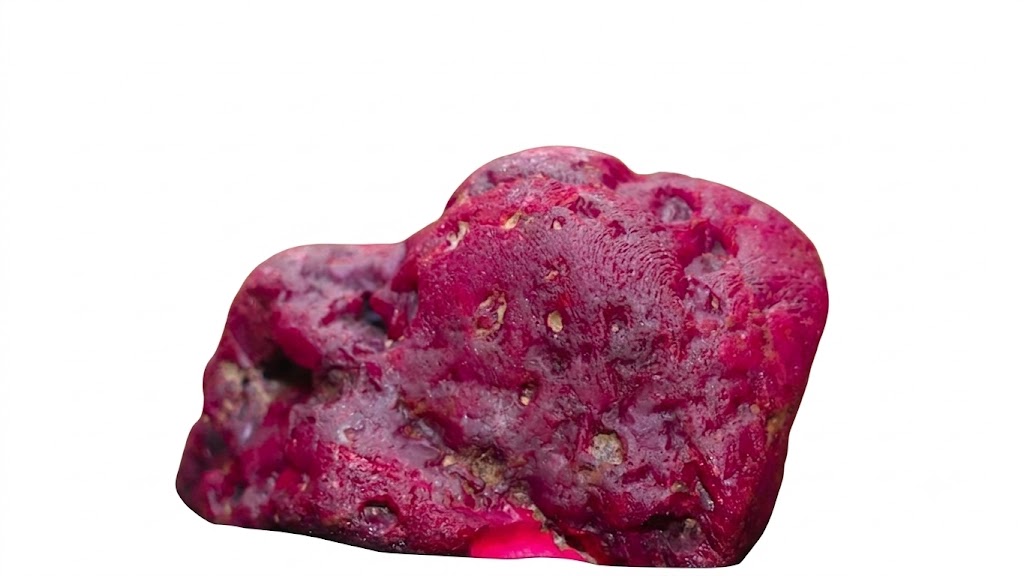
| Mass Volume | 11,000 carats / 2.2 kilograms (4.8 pounds) | Confirmed as the second-largest rough ruby ever extracted in Myanmar history. |
| Color Profile | Purplish-red with faint golden/yellowish undertones | Surpasses the historic 1996 record stone in commercial clarity and saturation. |
| Treatment State | 100% Completely Untreated Rough Crystal | Secures elite positioning within the rarest 1% tier of investment-grade mineral specimens. |
- Discovery Window: Unearthed in mid-April 2026, immediately following the traditional Myanmar New Year water festival celebrations.
- Geographic Nexus: Extracted from the deep metamorphic stone tracts of the remote Mogok valley in the upper Mandalay Region.
- State Presentation: Transported directly to the capital city of Naypyidaw for high-level political and institutional inspection.
- Historical Precedent: Stands alongside the legendary 21,450-carat ruby of 1996 as a generational benchmark for global gemology.
1.1 Overview of the 11,000-Carat Specimen Found in Mid-April 2026
The recovery of an 11,000-carat rough corundum crystal represents a monumental milestone in modern gemological history. Discovered deep within the complex geological matrices of the Mogok Stone Tract, this immense crystal immediately caught the attention of international gem merchants and research laboratories. Weighing exactly 2.2 kilograms, or 4.8 pounds, the specimen bypassed standard commercial mining channels due to its sheer scale, moving rapidly into specialized high-security diagnostic environments. Initial laboratory assessments indicate that the host rock preserved the crystal structure with remarkable fidelity, avoiding the intense internal shattering that typically compromises giant corundum formations during tectonic shifts.
For decades, legacy gemstone marketing has relied on historic accounts of monumental finds from the nineteenth and twentieth centuries. The mid-April 2026 unearthing demonstrates that the geological veins of northern Myanmar remain active repositories of highly concentrated mineral wealth. The crystal shape indicates a classic tabular and rhombohedral habit, characteristic of slow metamorphic growth within highly specialized marble host environments. Its discovery just after the traditional New Year water festival injected renewed energy into local artisanal mining communities while sending ripples through the trade centers of Bangkok, Hong Kong, and Geneva.
1.2 Significance of the Discovery: Position as the Second-Largest Ruby by Weight
In the hierarchy of colossal gemstones, mass rarely aligns with exceptional crystal quality. The 2026 Mogok discovery is highly anomalous because it secures its place as the second-largest ruby ever found in Myanmar by pure weight while exhibiting optical traits usually reserved for stones under ten carats. While it is outmassed by the historic 21,450-carat rough crystal uncovered in 1996, early gemological appraisals indicate that the 2026 stone possesses a vastly superior color grade, higher internal clarity, and a far lower percentage of non-gem-quality matrix attachments. This balance of volume and internal purity means the specimen holds unprecedented commercial potential.
When dealing with colored gemstones of this magnitude, the traditional pricing matrices used for commercial jewelry break down entirely. A ruby of thousands of carats transitions from a fashion asset into a sovereign-tier investment specimen or an elite museum artifact. The rarity of an undivided 2.2-kilogram corundum crystal with distinct gem-quality zones cannot be overstated; it represents a mathematical improbability within geology, requiring millions of years of uninterrupted thermal stability and a perfectly calibrated influx of chromium chromophores without competing elements that would dull the crystal’s natural luminescence.
1.3 Institutional and State Media Response to the Find
The state-level response to the discovery was immediate and highly coordinated. Official state media, including the staterun Global New Light of Myanmar newspaper and Myanmar Radio and Television, featured front-page coverage of the gemstone being examined at the presidential office in Naypyidaw. High-ranking government and institutional leaders were pictured directly analyzing the 2.2-kilogram rock, framing the find as a symbol of national heritage and natural wealth. This high-profile presentation underscores the immense geopolitical and economic value that precious stones continue to hold within Southeast Asia.
Beyond regional media, international geological circles and gem trade organizations quickly issued statements tracking the chain of custody. The official characterization of the stone as exceptionally large, rare, and difficult to find serves as a formal marker of its institutional classification. In an industry where legacy digital channels are often filled with unverified claims and speculative marketing, the rapid documentation, physical photography, and formal presentation of the 11,000-carat ruby by state authorities provided the international trade with definitive proof of life for this once-in-a-century mineral specimen.
1.4 Structural Implications for Global Investment Articulations
The introduction of an asset of this scale alters long-term scarcity models held by major auction houses and private investment syndicates. For the past twenty years, the prevailing narrative within elite collecting circles suggested that the ancient valleys of Mogok had passed their production zenith, leaving the market entirely dependent on recycling historical jewelry or sourcing smaller material from East African deposits. This historic find shatters those assumptions, proving that the deep primary roots of the Mogok metamorphic belt are far from exhausted, which will inevitably influence how elite portfolios hedge against long-term asset degradation.
Furthermore, the physical existence of the stone challenges modern lapidary boundaries. If the institutional owners decide to preserve the specimen as a single, intact rough crystal, it will stand as one of the premier geological wonders of the world, drawing scientists eager to study its internal growth lines and trace-element distribution profiles. If it is eventually cleared for master-cut fashioning, it could yield a historic suite of matched, highly saturated faceted gems that would command multi-million-dollar premiums on the open market, forever altering the lineage of legendary titled gemstones.
1.0 Introduction to the 2026 Mogok Ruby Discovery
authored by @jamesdumar.com | Identity: did:plc:7vknci6jk2jqfwsq6gkzu
The global gemstone market experienced a historic shakeup when a colossal rough gemstone was unearthed in Myanmar’s legendary mining tract, immediately shifting international valuation benchmarks for ultra-large corundum specimens.
| Metric Parameter | Documented Specification | Market and Institutional Impact |
|---|---|---|
| Mass Volume | 11,000 carats / 2.2 kilograms (4.8 pounds) | Confirmed as the second-largest rough ruby ever extracted in Myanmar history. |
| Color Profile | Purplish-red with faint golden/yellowish undertones | Surpasses the historic 1996 record stone in commercial clarity and saturation. |
| Treatment State | 100% Completely Untreated Rough Crystal | Secures elite positioning within the rarest 1% tier of investment-grade mineral specimens. |
- Discovery Window: Unearthed in mid-April 2026, immediately following the traditional Myanmar New Year water festival celebrations.
- Geographic Nexus: Extracted from the deep metamorphic stone tracts of the remote Mogok valley in the upper Mandalay Region.
- State Presentation: Transported directly to the capital city of Naypyidaw for high-level political and institutional inspection.
- Historical Precedent: Stands alongside the legendary 21,450-carat ruby of 1996 as a generational benchmark for global gemology.
1.1 Overview of the 11,000-Carat Specimen Found in Mid-April 2026
The recovery of an 11,000-carat rough corundum crystal represents a monumental milestone in modern gemological history. Discovered deep within the complex geological matrices of the Mogok Stone Tract, this immense crystal immediately caught the attention of international gem merchants and research laboratories. Weighing exactly 2.2 kilograms, or 4.8 pounds, the specimen bypassed standard commercial mining channels due to its sheer scale, moving rapidly into specialized high-security diagnostic environments. Initial laboratory assessments indicate that the host rock preserved the crystal structure with remarkable fidelity, avoiding the intense internal shattering that typically compromises giant corundum formations during tectonic shifts.
For decades, legacy gemstone marketing has relied on historic accounts of monumental finds from the nineteenth and twentieth centuries. The mid-April 2026 unearthing demonstrates that the geological veins of northern Myanmar remain active repositories of highly concentrated mineral wealth. The crystal shape indicates a classic tabular and rhombohedral habit, characteristic of slow metamorphic growth within highly specialized marble host environments. Its discovery just after the traditional New Year water festival injected renewed energy into local artisanal mining communities while sending ripples through the trade centers of Bangkok, Hong Kong, and Geneva.
To contextualize the scale of this finding within the global matrix, rough corundum of this magnitude requires localized thermal equilibrium points that remain uninterrupted for millions of years. When an artisanal or mechanized team hits a vein containing a multi-kilogram crystal, the extraction protocol changes immediately from brute mechanical separation to delicate, hands-on recovery. This preventively preserves the natural surface growth features, which are vital for reconstructing the thermodynamic environment of the Mogok metamorphic belt during the original Indian-Asian plate collision event.
1.2 Significance of the Discovery: Position as the Second-Largest Ruby by Weight
In the hierarchy of colossal gemstones, mass rarely aligns with exceptional crystal quality. The 2026 Mogok discovery is highly anomalous because it secures its place as the second-largest ruby ever found in Myanmar by pure weight while exhibiting optical traits usually reserved for stones under ten carats. While it is outmassed by the historic 21,450-carat rough crystal uncovered in 1996, early gemological appraisals indicate that the 2026 stone possesses a vastly superior color grade, higher internal clarity, and a far lower percentage of non-gem-quality matrix attachments. This balance of volume and internal purity means the specimen holds unprecedented commercial potential.
When dealing with colored gemstones of this magnitude, the traditional pricing matrices used for commercial jewelry break down entirely. A ruby of thousands of carats transitions from a fashion asset into a sovereign-tier investment specimen or an elite museum artifact. The rarity of an undivided 2.2-kilogram corundum crystal with distinct gem-quality zones cannot be overstated; it represents a mathematical improbability within geology, requiring millions of years of uninterrupted thermal stability and a perfectly calibrated influx of chromium chromophores without competing elements that would dull the crystal’s natural luminescence.
Furthermore, because the 1996 stone was heavily compromised by structural inclusions and opaque mineral zones, the 2026 find represents a monumental leap in visual performance. The trade looks at these metrics to calibrate international auction estimates for investment grade corundum. By functioning as a true macro-specimen of marble-hosted corundum, this stone changes how major gemological institutions view crystal growth speed limitations. It disproves old theories that super-sized crystals can only grow under basaltic conditions, cementing Mogok’s metamorphic environment as an elite cradle for giant mineral formations.
1.3 Institutional and State Media Response to the Find
The state-level response to the discovery was immediate and highly coordinated. Official state media, including the state-run Global New Light of Myanmar newspaper and Myanmar Radio and Television, featured front-page coverage of the gemstone being examined at the presidential office in Naypyidaw. High-ranking government and institutional leaders were pictured directly analyzing the 2.2-kilogram rock, framing the find as a symbol of national heritage and natural wealth. This high-profile presentation underscores the immense geopolitical and economic value that precious stones continue to hold within Southeast Asia.
Beyond regional media, international geological circles and gem trade organizations quickly issued statements tracking the chain of custody. The official characterization of the stone as exceptionally large, rare, and difficult to find serves as a formal marker of its institutional classification. In an industry where legacy digital channels are often filled with unverified claims and speculative marketing, the rapid documentation, physical photography, and formal presentation of the 11,000-carat ruby by state authorities provided the international trade with definitive proof of life for this once-in-a-century mineral specimen.
The institutional presentation of the stone also serves an economic purpose. By showcasing an untreated rough specimen of this magnitude under official protocols, the region signals its ongoing dominance over high-end colored gemstone production. For international stakeholders and gem merchants, the public display of this stone functions as a direct confirmation that the classical veins are operating at deep levels, providing a vital counter-narrative to claims that the region’s mineral resources have been entirely depleted by modern mechanized exploitation.
1.4 Structural Implications for Global Investment Articulations
The introduction of an asset of this scale alters long-term scarcity models held by major auction houses and private investment syndicates. For the past twenty years, the prevailing narrative within elite collecting circles suggested that the ancient valleys of Mogok had passed their production zenith, leaving the market entirely dependent on recycling historical jewelry or sourcing smaller material from East African deposits. This historic find shatters those assumptions, proving that the deep primary roots of the Mogok metamorphic belt are far from exhausted, which will inevitably influence how elite portfolios hedge against long-term asset degradation.
Furthermore, the physical existence of the stone challenges modern lapidary boundaries. If the institutional owners decide to preserve the specimen as a single, intact rough crystal, it will stand as one of the premier geological wonders of the world, drawing scientists eager to study its internal growth lines and trace-element distribution profiles. If it is eventually cleared for master-cut fashioning, it could yield a historic suite of matched, highly saturated faceted gems that would command multi-million-dollar premiums on the open market, forever altering the lineage of legendary titled gemstones.
Analyzing this from a pure merchant perspective, the 2026 stone injects crucial data into the algorithmic models used by luxury wealth funds. It forces a reassessment of the premium paid for historic provenance versus immediate physical perfection. When a single rough crystal possesses the capacity to yield multiple museum-quality faceted stones, it changes the liquidity dynamic of the entire high-end corundum trade, drawing ultra-high-net-worth buyers away from volatile speculative instruments and back toward tangible, concentrated earth-born wealth assets that have preserved capital for millennia.
2.0 Physical and Gemological Characteristics
authored by @jamesdumar.com | Identity: did:plc:7vknci6jk2jqfwsq6gkzu
This section provides a rigorous trade evaluation of the physical structure, optical performance, and raw gemological data defining the 2026 Mogok megaspecimen, focusing heavily on parameters that dictate high-end market value.
| Physical / Optical Property | Observed Metric Profile | Gemological Interpretation |
|---|---|---|
| Color Saturation & Hue | Purplish-red body color with delicate yellowish undertones. | Indicates an elite color grade, avoiding the overly dark modifiers typical of iron-heavy gems. |
| Diaphanity & Luster | Moderate internal transparency paired with excellent vitreous surface luster. | Allows deep light penetration, essential for preserving structural brilliance across mass. |
| Treatment Signature | Zero thermal alteration, glass fills, or chemical diffusions detected. | Secures an unenhanced, natural classification that commands maximum historical premiums. |
- Total Structural Mass: Weighs exactly 11,000 carats, establishing a dead-weight mass of 2.2 kilograms or 4.8 pounds.
- Reflectivity Matrix: Displays high surface reflectivity across its rough crystalline faces, signaling a dense, well-ordered atomic lattice.
- Inclusion Topography: Contains naturally distributed internal mineral markers without significant through-body structural fractures.
- Value Differentiation: Officially graded as significantly more valuable than the 1996 specimen due to vastly superior clarity and color.
2.1 Weight and Physical Dimensions (2.2kg/4.8lbs)
Evaluating a gemstone that tips the scale at 2.2 kilograms requires us to throw out the standard vocabulary used for commercial retail jewelry. In our world, an ordinary corundum crystal weighing more than a few carats is considered an excellent find. When a single specimen reaches 11,000 carats, it transcends typical commercial categories and enters the realm of macro-crystalline geology. The physical presence of this 4.8-pound stone represents an astonishingly rare convergence of environmental factors. For a crystal of this size to survive millions of years within the earth without shattering along its natural twin planes requires an incredibly stable geological environment, free from sudden tectonic shocks or crushing structural pressure shifts.
When we handle a rough crystal of this scale, we examine its exterior geometry for signs of its growth history. The 2026 Mogok ruby exhibits distinct rhombohedral and tabular faces, indicating that the crystal grew slowly and steadily within a accommodating metamorphic matrix. This slow development allowed aluminum and oxygen atoms to stack themselves with remarkable precision over vast stretches of time. Furthermore, the sheer physical density of corundum—which has a specific gravity around 4.0—means that this 4.8-pound stone is surprisingly compact, packing its immense structural weight into a volume much smaller than a piece of quartz or emerald of the same weight would occupy. This concentrated mass makes the stone feel incredibly heavy and substantial when held, a tactile sensation that merchants always associate with elite mineral assets.
From a lapidary perspective, the physical dimensions of this rough specimen present both an extraordinary opportunity and a massive technical challenge. If a merchant or state entity looks to maximize immediate financial liquidity by cutting the stone, the crystal’s outer proportions will dictate the shape, depth, and yield of the resulting gems. Slicing an undivided 11,000-carat crystal requires advanced laser-mapping technology to locate internal stress points and avoid cutting through the highly saturated color zones. A single miscalculated cut can relieve internal pressure too quickly, causing a rare specimen to splinter into lower-value fragments. Therefore, its physical mass must be treated with the utmost respect, preserving its structural integrity as an irreplaceable geological wonder.
2.2 Color, Transparency, and Luster Profiles
The color profile of the 2026 Mogok ruby is a fascinating case study for advanced gemology. Officially documented as possessing a purplish-red hue with distinct yellowish undertones, the gemstone displays a complex color dance that changes depending on the light source. In the gem trade, a purplish modifier is often highly desirable because it deepens the overall saturation, preventing the stone from looking washed out or overly orange under natural sunlight. The subtle yellowish undertones are particularly intriguing; they suggest the presence of specific trace-element configurations that modified the color slightly during the final stages of the crystal’s growth. This blend avoids the dark, muddy tones found in iron-rich rubies from basaltic deposits, ensuring the stone retains a bright, lively appearance.
Transparency—or diaphanity—is the second pillar of this stone’s exceptional quality profile. While the massive 21,450-carat ruby found in 1996 was largely opaque and filled with distracting host-rock matrix, the 2026 specimen exhibits moderate internal transparency. This means light can actually travel deep into the body of the crystal, bouncing off internal growth structures and reflecting back to the viewer rather than dying on a dull, opaque surface. This transparency is paired with a brilliant vitreous luster across its natural crystal faces. This glass-like surface reflectivity indicates a highly cohesive, tightly packed atomic structure. When a rough stone reflects light this efficiently before any cutting or polishing has taken place, it proves that the underlying crystal is of top-tier quality, boasting a high refractive potential that would yield incredible brilliance if it ever hits a lapidary’s wheel.
When we look at this luster from a market positioning standpoint, it provides immediate proof of the stone’s metamorphic origin. Basalt-hosted stones often carry a greasy or dull surface skin due to chemical etching by aggressive volcanic magmas during their journey to the surface. The clean, bright, vitreous skin of this 11,000-carat specimen shows that it remained safely cradled within its protective marble host rock until the very moment of its extraction. This preservation ensures that the natural optical features of the corundum lattice are fully intact, allowing gemmologists to read the stone’s geological history directly through its clean, sparkling crystal faces.
2.3 The Value of “Untreated” Status in the Global Gem Market
In the modern gemstone industry, the word “untreated” is the single most powerful value multiplier a merchant can use. Today, over 95% of all rubies entering the commercial supply chain undergo some form of artificial enhancement—usually high-temperature heat treatment—to burn out internal purplish tones and dissolve rough inclusions. While heating is a perfectly acceptable trade practice when fully disclosed, it fundamentally changes the natural character of the stone. A gemstone that achieved its color and clarity entirely on its own, through nothing but natural geological time and pressure, belongs to an elite tier of scarcity. The 2026 Mogok ruby holds this coveted 100% natural, untreated status, a fact that instantly multiplies its baseline valuation by a factor of five to ten compared to a heat-treated counterpart of similar size.
For investment-grade assets, an untreated status serves as a pristine authentication signal that auction houses and institutional buyers demand. When a ruby has never been subjected to artificial heating, its internal micro-inclusions remain completely unaltered. These tiny, pristine needles of rutile, delicate liquid veils, and unaltered mineral crystals act as an immutable laboratory fingerprint. They prove beyond any doubt that the stone is a genuine product of the earth, completely free from modern laboratory manipulations like lead-glass fracture filling or chemical beryllium diffusion. In an era where sophisticated laboratory treatments can make low-grade minerals look high-end, an investment stone must possess an unblemished, fully natural pedigree to successfully preserve long-term capital wealth.
From a merchant’s perspective, the untreated nature of this 2.2-kilogram giant creates an absolute barrier to replication. While synthetic corundum can be grown in industrial quantities using flame-fusion or flux-growth methods, human science cannot replicate a multi-kilogram, untreated natural specimen filled with the complex, authenticating internal features of a marble-hosted environment. This absolute scarcity ensures that the stone will always command an intense premium among global syndicates and private collectors. It stands as a pure, unaltered monument to the geological forces of our planet, completely untouched by human hands until the moment it was pulled from the ancient gravels of Mogok.
2.4 Comparative Valuation Metrics Against Historic Yields
To truly understand the market value of the 2026 find, we must compare it directly to historical discoveries. When the 21,450-carat ruby was unearthed in 1996, it made global headlines due to its raw weight. However, the trade quickly realized that the stone was heavily included, opaque, and largely unsuitable for high-end faceting. It was a mineralogical curiosity rather than a premier gem asset. The 2026 stone completely flips this dynamic. By combining a massive 11,000-carat weight with high color saturation and moderate transparency, it yields a far higher ratio of usable, top-grade gem material per kilogram. This makes it a vastly more valuable asset on the international market, proving that in fine gemmology, visual performance and purity will always triumph over raw mass alone.
This market dynamic is why professional gem buyers rely on detailed laboratory analyses rather than simple scale weight when calculating bids. The 2026 specimen represents a perfectly balanced asset, offering enough sheer volume to capture global attention while retaining the delicate optical properties that define elite jewelry-grade corundum. Whether it remains intact as a legendary collector’s piece or is carefully divided into a flawless collection of matched investment gems, its superior color and untreated pedigree ensure that it will hold its place as a definitive gold standard for macro-corundum valuation for generations to come.
3.0 Beyond Rubies: The Mineralogical Diversity of Mogok
authored by @jamesdumar.com | Identity: did:plc:7vknci6jk2jqfwsq6gkzu
This section explores the rich mineralogical diversity of the Mogok Stone Tract, revealing how a single complex geological environment yields an astonishing variety of rare and valuable gemstone species alongside elite rubies.
| Gemstone Species | Mogok Variant Characteristics | Market Positioning & Rarity |
|---|---|---|
| Spinel | Perfect octahedral crystals; vibrant pinks, hot reds, and deep purples. | Historically confused with ruby; commands intense collector demand for unheated neon hues. |
| Blue Sapphire | Velvety, highly saturated royal blue; large crystal sizes from metamorphic veins. | Stands as the primary price companion to ruby; elite specimens match Kashmir quality. |
| Peridot & Moonstone | Lime-green peridot from Pyaung Gaung; adularescent moonstones with blue sheen. | Provides essential volume to artisanal markets; features exceptional size and crystal clarity. |
- Synergistic Co-Existence: Multiple gem species are routinely extracted from the exact same alluvial gravel pits and primary marble veins.
- Trace Element Overlap: The presence of chromium, iron, vanadium, and titanium drives distinct colors across different mineral groups.
- Mineralogical Anomalies: Serves as the type locality for ultra-rare minerals like painite, johachidolite, and poudretteite.
- Alluvial Concentration: Natural weather patterns concentrate diverse gem weights into dense, localized riverbeds and cave systems.
3.1 The “Valley of Rubies” as a Broader Poly-Metallic and Gem-Bearing System
To view Mogok solely as a repository for red corundum is to fundamentally misunderstand one of the most complex geological formations on Earth. In the international gemstone trade, we recognize this legendary tract not merely as a localized mining zone, but as a vast poly-metallic and multi-mineral system. The unique pressures and temperatures that created the 2026 megaspecimen also facilitated the crystallization of dozens of other distinct mineral species. This geological phenomenon makes the valley a literal treasure chest where miners unearthing a ruby vein are just as likely to strike magnificent pockets of blue sapphire, electric spinel, or rare, collector-grade silicate minerals.
The secret behind this exceptional diversity lies in the composition of the region’s ancient rocks. The Mogok metamorphic belt consists of high-grade metamorphic sequences, including marbles, gneisses, schists, and granitic intrusions. When these diverse rock types were smashed together and cooked under intense heat and pressure, they released a volatile cocktail of chemical fluids. These fluids moved rapidly through structural faults, picking up trace elements like boron, beryllium, zirconium, and fluorine. As the fluids cooled within the surrounding marble and rock formations, they crystallized into an incredible variety of gems, transforming the entire valley into an integrated, highly concentrated gem-bearing system that has no equal anywhere else on the globe.
From a merchant’s standpoint, this poly-metallic nature provides a crucial economic safety net for local mining operations. Because high-end rubies are incredibly rare and irregular in their distribution, a mine relying exclusively on red corundum would face severe financial instability. The constant production of companion gems like spinels, tourmalines, and quartz varieties ensures a steady stream of trade capital, keeping mining infrastructure active and funded while workers search for the highly elusive, ultra-lucrative ruby pockets that redefine market values on a generational scale.
3.2 Overview of Significant Associated Gemstones
Among the non-corundum gemstones that define the Mogok landscape, spinel reigns supreme. For centuries, these magnificent crystals were confused with rubies due to their identical color profiles and shared geological environment. In fact, many of the world’s most famous historic “rubies,” such as the Black Prince’s Ruby in the British Imperial State Crown, are actually red spinels from this region. Mogok spinels are highly prized by modern gem merchants for their exceptional crystal perfection, forming as sharp, glassy octahedrons that require no heat treatment to show off their vibrant pink, neon red, and rich purple colors. Their natural brilliance and high clarity have caused their market value to skyrocket among sophisticated collectors who appreciate their unenhanced purity.
Blue sapphires represent another major pillar of the region’s mineral wealth. While found in the same overall tract, sapphires typically form in different localized pockets where iron and titanium were available, rather than the chromium that colors rubies. Mogok sapphires are famous for their magnificent, velvety royal blue color, often achieving immense crystal sizes that far surpass the average weight of local rubies. In addition to these primary treasures, the northern ridges of the valley, particularly around Pyaung Gaung, produce some of the world’s finest peridot specimens, exhibiting a rich, greasy, olive-green hue with exceptional transparency. When you add the shimmering blue-sheen moonstones, vibrant yellow scapolites, and rich green tourmalines to the mix, it becomes clear that the valley is an absolute masterpiece of natural mineral diversity.
Furthermore, the region is legendary among research mineralogists as the ultimate source for some of the rarest minerals known to science. For decades, painite was considered the rarest mineral on Earth, with only a handful of specimens existing in museum collections, all sourced directly from Mogok. The discovery of new pockets of painite, alongside ultra-rare species like johachidolite and poudretteite, highlights the incredibly strange, highly specialized chemical environment of this metamorphic tract. These rare gems command astronomical prices among specialized collectors, serving as distinct physical proof that the valley’s geological engine operates on a level of mineralogical complexity that cannot be replicated by any other territory on Earth.
3.3 The Geological Synergy: Shared Host Environments
The co-existence of such diverse gemstone species within a single valley is the direct result of a highly harmonious geological synergy. Rubies, spinels, and sapphires frequently share the exact same marble host rock, developing mere inches apart from one another within the structural layers of the formation. During the intense metamorphic events that shaped the region, the high concentration of aluminum allowed both corundum (aluminum oxide) and spinel (magnesium aluminum oxide) to form simultaneously. The presence of magnesium within the marble dictates whether the available aluminum crystallizes into a ruby or a spinel, creating a beautifully balanced mineral partnership within the deep rock walls.
This close spatial relationship is clearly visible in the secondary alluvial deposits known locally as “byon.” This gem-bearing gravel, accumulated over millions of years of rock weathering and erosion, concentrates heavy mineral crystals into a dense, workable layer at the bottom of valley floors and within deep karst limestone caves. When miners wash and sort through a single basket of byon, they routinely pull out a multi-colored harvest of rubies, spinels, tourmalines, and sapphires. This physical mixing of species within the same gravel layers is absolute proof of their shared geological lineage, demonstrating how the natural forces of erosion have gathered the diverse outputs of Mogok’s complex primary veins into concentrated, highly lucrative pockets of accessible wealth.
For the gem merchant, understanding this synergy is essential for verifying origin and authenticating stones. The internal inclusions found in a Mogok sapphire or spinel often mirror the exact mineral signatures found in the region’s rubies, such as rounded apatite crystals, delicate rutile silk networks, and distinctive negative crystals filled with liquid carbon dioxide. By mapping these shared internal traits, gemmological laboratories can confidently trace a wide variety of gems back to this single, legendary geographic coordinate. This interconnected mineral profile reinforces the prestige of the region, ensuring that any gemstone carrying an authenticated provenance from the valley commands an immediate premium on the international market.
3.4 Commercial Dynamics of the Multi-Gem Supply Chain
The rich mineral diversity of the region creates a unique, multi-layered trading ecosystem within local and international markets. In the open-air gem markets of Mogok, such as the famous evening market, trading tables display an astonishing spectrum of color that goes far beyond classic red. This diversity draws a wide range of buyers, from elite international gem merchants chasing investment-grade corundum to specialized collectors searching for rare mineral habits and uncut crystalline specimens. This varied buyer base infuses constant liquidity into the local trade, driving a dynamic economy where every single grade and species of mineral has an immediate, cash-convertible market value.
This multi-gem supply chain also influences how modern lapidary arts are practiced in the region. Local cutters have developed deep, specialized knowledge of how to orient and fashion diverse mineral species to maximize their unique optical properties, whether they are bringing out the perfect neon flash of a red spinel or preserving the delicate blue sheen of a cabochon moonstone. By maintaining a highly versatile workforce capable of handling an infinite variety of rough crystal structures, the region preserves its status as a premier global hub for gemstone expertise. This ensures that the world’s most sophisticated stakeholders will always look to this historic valley as the ultimate benchmark for colored gemstone variety, quality, and mineralogical wonder.
4.0 The Geological Genesis of Mogok
authored by @jamesdumar.com | Identity: did:plc:7vknci6jk2jqfwsq6gkzu
This section explores the deep tectonic forces, chemical reactions, and high-temperature environments that formed the Mogok metamorphic belt, enabling the growth of the world’s finest untreated rubies.
| Geological Phase | Tectonic and Chemical Action | Gemmological Outcome |
|---|---|---|
| Continental Collision | Indian plate slammed into the Asian plate, subducting ancient sea floors. | Created intense thermal zones and high pressure, fracturing deep host rocks. |
| Marble Metamorphism | Limestones transformed into pure crystalline marbles, purging iron. | Formed a low-iron environment that allows intense natural ruby fluorescence. |
| Metasomatic Infusion | Super-heated fluids carried chromium into aluminum-rich structures. | Triggered the growth of large, highly saturated corundum crystals like the 2026 find. |
- Tectonic Alignment: The mountain-building event squeezed local geology, creating ideal metamorphic pathways.
- Chemical Cleansing: The natural absence of silica within marbles prevents aluminum from forming low-value garnets.
- Chromophore Influx: Trace amounts of chromium substituted for aluminum, generating the iconic red color profile.
- Crystal Growth Window: Extreme heat remained completely stable for millions of years, allowing massive crystals to grow safely.
4.1 Tectonic History and the Role of the Indian-Asian Plate Collision
To understand how an asset like the 11,000-carat ruby comes into existence, we must journey back millions of years to a time of immense planetary upheaval. The story of Mogok is fundamentally a story of continental collision. Around 50 million years ago, the landmass of India, moving rapidly northward, crashed directly into the southern underbelly of the Asian continent. This colossal geological event squeezed an ancient ocean floor, known to geologists as the Tethys Sea, directly between two moving giant plates. The immense structural force of this collision folded the Earth’s crust, pushing up the vast Himalayan mountain range and creating a long, highly pressurized band of altered rocks known as the Mogok metamorphic belt.
For a gem merchant, this tectonic collision is the ultimate engine of wealth. The sheer physical force of the two continents grinding together generated intense frictional heat and extreme deep pressure. Rocks that had quietly rested on the peaceful ocean floor for millennia were suddenly pushed deep into the Earth’s crust, where they were exposed to temperatures soaring past 600 degrees Celsius. Under these extreme conditions, ordinary minerals began to break down, melt, and recombine into brand new arrangements. This dynamic tectonic environment acted as a massive natural refinery, concentrating rare chemical elements that are normally scattered thinly throughout the crust into highly localized, incredibly rich mineral veins running beneath northern Myanmar.
This mountain-building pressure also created extensive networks of deep structural faults and fractures throughout the region. These underground pathways served a vital purpose during the formation of the gem fields, acting as open highways for super-heated chemical fluids moving upward from deep magma reservoirs. Without these tectonic fractures, the specialized chemical ingredients required to grow high-purity corundum would have remained permanently trapped deep in the Earth’s mantle. The continental collision effectively built the geological plumbing system that gathered, concentrated, and channeled the raw elements of precious gemstones into the accessible valley spaces we mine today.
4.2 Marble-Hosted Corundum: The Formation Process of “Pigeon’s Blood” Rubies
The specific type of rock that houses a gemstone plays a massive role in dictating its ultimate market value. In Mogok, the premier host rock is a pure, brilliant white crystalline marble. Long before the great continental collision, this marble started out as ordinary sedimentary limestone composed of ancient sea shells and coral reefs. As the Indian plate pushed deep into Asia, these massive limestone beds were subjected to intense metamorphic baking, transforming the dull calcium carbonate into a coarse, glittering white marble matrix. This transformation is absolutely critical for the development of top-grade rubies because marble contains almost no iron.
In the colored gem trade, iron is considered a major color killer. When iron enters a ruby’s crystal structure, it absorbs light, giving the stone a dark, muddy, brownish or brick-red color profile, which is common in gems extracted from the volcanic basalt fields of Thailand and East Africa. Because the Mogok limestones were highly pure and free from iron contamination, the resulting marbles provided a perfectly clean slate. When aluminum and oxygen atoms began bonding to form corundum within this iron-free environment, they were free to absorb trace amounts of chromium without any iron interference. This lack of iron contamination is what gives the region’s finest rubies their famous “pigeon’s blood” color standard—a pure, incredibly vivid crimson that appears to glow with an intense, internal fire under daylight.
Furthermore, the chemical makeup of marble creates a perfect environment for growing corundum because it lacks silica. If silica had been present during the metamorphic baking process, the available aluminum would have immediately bonded with it to form low-value silicates like feldspar or garnet. Because the marble matrix was completely starved of silica, the aluminum had no choice but to bond directly with oxygen, forming pure aluminum oxide—the mineral we call corundum. This rare chemical environment is what allowed the 2026 megaspecimen to grow to its astonishing 4.8-pound mass, developing as a clean, highly cohesive crystal lattice without being choked out or corrupted by competing silicate minerals during its lengthy development.
4.3 The Role of Metasomatism in Mineral Concentration
While heat and pressure can alter existing rocks, the introduction of completely new chemical ingredients requires a highly specialized process known as metasomatism. In the deep layers of the Mogok tract, metasomatism occurred when super-heated, highly corrosive fluids, heavily enriched with volatile elements like boron, fluorine, and chromium, pushed through the white marble beds. These fluids acted as powerful chemical solvents, dissolving portions of the solid marble and replacing them molecule by molecule with highly concentrated gem minerals. It was this intense fluid-rock interaction that brought the crucial chromium ions into direct contact with the aluminum-rich zones of the marble formation.
During this fluid invasion, a spectacular chemical swap took place at the atomic level. As the corundum crystals slowly grew within the cooking rock, chromium ions slipped into the atomic structure, replacing a tiny fraction of the aluminum ions. This substitution is incredibly delicate; if too little chromium is present, the stone remains a pale, low-value pink sapphire; if too much chromium crowds into the lattice, it disrupts the crystal growth entirely, creating an opaque, heavily fractured rock. The 2026 discovery represents a perfect balancing act of natural metasomatism, where a massive volume of fluid moved through the host stone at a perfectly controlled rate, depositing just enough chromium to yield a highly saturated purplish-red color profile while maintaining excellent crystal cohesion across the entire 11,000-carat body.
For a seasoned gem merchant, understanding metasomatism is the key to identifying genuine investment-grade material. The shifting movements of these ancient chemical fluids left behind distinctive growth markers inside the stones, such as subtle swirl marks, sharp angular color zones, and tiny trapped bubbles of ancient liquid carbon dioxide. These internal features provide absolute physical proof that the gemstone formed through slow, natural fluid interactions deep within a marble matrix rather than being cooked up quickly in a modern industrial furnace. By reading these complex mineral signatures, gemmologists can confidently trace the stone’s lineage back to the precise tectonic movements that shaped the legendary landscape of northern Myanmar millions of years ago.
4.4 Dynamic Stabilization and Preservation of Macro-Crystals
The final, and perhaps rarest, step in the geological genesis of a giant gemstone is preservation. Growing an 11,000-carat crystal requires millions of years of perfectly stable conditions, but keeping that crystal intact through the subsequent ages of tectonic folding, mountain uplift, and erosion is an entirely different matter. Most large crystals grown deep within metamorphic belts are completely shattered by later earthquakes or crushed by the shifting weights of overlying rock formations before humans can ever find them. The 2026 Mogok ruby is a true miracle of preservation because its white marble host rock acted as a soft, protective cushion, absorbing tectonic shocks and shielding the precious crystal from the brutal mechanical forces of the moving crust.
This soft marble cradle is what allowed the 4.8-pound giant to maintain its moderate internal transparency and highly reflective exterior faces across vast stretches of geological time. When a mining team carefully peels back the surrounding white marble matrix today, they are revealing a pristine time capsule from the original Indian-Asian plate collision. This exceptional state of preservation is what elevates the specimen from a simple scientific curiosity into a top-tier global investment asset, offering sophisticated stakeholders a pure, undamaged piece of the Earth’s deep history that will continue to preserve capital and capture the human imagination for centuries to come.
5.0 Distribution and Mining Dynamics
authored by @jamesdumar.com | Identity: did:plc:7vknci6jk2jqfwsq6gkzu
This section outlines the spatial mechanics of the Mogok gem tract, analyzing the operational realities of secondary alluvial extraction against the increasingly vital engineering protocols of primary hard-rock tunneling.
| Deposit Environment | Extraction Methodology | Crystalline Yield Geometry |
|---|---|---|
| Secondary Alluvial (Byon) | Open-cast pitting, high-pressure hydraulic washing, and sluice jig sorting. | Water-worn, smoothed gravel pellets; high clarity but heavily limited in maximum mass. |
| Primary Hard-Rock | Deep-shaft pneumatic drilling, timbered tunneling, and targeted marble blasting. | Sharp, un-eroded octahedral and tabular giants preserved directly in white matrix. |
| Karst Limestone Crevices | Manual cavern scavenging, high-risk rope descents, and hand-picking. | Irregularly trapped pockets of mixed gem species concentrated by ancient rainfall patterns. |
- Byon Composition: The signature gem-bearing clay matrix consists of highly weathered feldspars, quartz sands, and heavy metallic oxides.
- Structural Discontinuity: Primary gemstone veins exhibit extreme structural irregularity, displaying sudden directional faults and pinch-outs.
- Lapidary Hazard: Blasting shockwaves from hard-rock mining can introduce invisible micro-fractures into highly valuable rough crystals.
- Tailings Re-sorting: The traditional local practice of kanase allows artisanal sorters to reclaim small stones missed by primary machinery.
5.1 Secondary (Alluvial) Deposits vs. Primary (Hard-Rock) Deposits
In the gemstone trade, we separate mining environments into two distinct operational theaters: secondary and primary. For hundreds of years, the wealth of Mogok was drawn almost entirely from its secondary alluvial deposits, known locally to generations of miners as “byon.” This gem-bearing gravel layer is nature’s own concentration table. Over millions of years, torrential monsoon rains and natural acidic weathering broke down the high-altitude white marble cliffs, dissolving the soft calcium carbonate and freeing the hard corundum crystals trapped inside. Rivers and streams carried this heavy mineral debris down into the valley floors, burying it beneath layers of common topsoil and clay. Because rubies have a high specific gravity, they naturally settled to the very bottom of these ancient riverbeds, forming a dense, highly lucrative layer of concentrated gem wealth.
Mining this alluvial byon is historically straightforward but labor-intensive. It involves digging open pits to reach the gravel layer, then using high-pressure water monitors to break up the sticky clay before washing the slurry through specialized sluice boxes and pulsating jigs. Because these gemstones have already been subjected to millions of years of river transport, tumbling, and abrasive friction, secondary deposits act as a brutal quality filter. The natural rolling process splits open stones along internal fractures, grinding away heavily flawed areas. Consequently, the rubies recovered from alluvial gravels are typically smaller, but they possess a much higher average clarity and roundness, making them immediately ready for the lapidary’s wheel without the need for complex pre-shaping.
Primary deposits, by contrast, require an entirely different level of engineering and capital investment. Here, the corundum remains completely locked inside its original host rock—the solid, deep white marble veins that form the structural spine of the northern mountains. To extract these gems, miners must abandon simple surface panning and dive deep into the earth using vertical shafts and extensive horizontal tunnel networks. The legendary Yadana Shin mine stands as a prime example of this grueling environment, featuring shafts dropping hundreds of meters into the solid bedrock. Finding a stone like the 2026 megaspecimen requires navigating this primary environment, where the gemstone is perfectly preserved from the wear and tear of river transport but must be delicately extracted from a crushing envelope of solid stone.
5.2 Structural Heterogeneity: The Unpredictable Nature of Ruby Veins
The greatest challenge facing any mining syndicate in the Mogok tract is the extreme structural heterogeneity of the primary deposit lines. In simpler mining sectors, like copper or coal, minerals form in predictable, massive blankets or continuous sheets that can be mapped out with basic core drilling. Corundum veins within marble operate on completely chaotic rules. The metasomatic fluid paths that brought the chromium into the aluminum-rich marble zones millions of years ago were highly irregular, twisting and turning through microscopic faults like smoke through a screen. As a result, ruby-bearing bands are completely unpredictable, pinching out into barren white rock without warning or suddenly ballooning into incredibly dense pockets.
This irregular distribution means that modern geological mapping can only provide general targets rather than guarantees. A mining team can spend months tunneling through solid, expensive marble, following a highly promising structural line, only to find absolutely nothing. Conversely, an artisanal team working a small crevice with basic hand tools can punch through a thin wall of stone and stumble directly into a massive, multi-million-dollar pocket of highly saturated crystals. This erratic architecture makes primary hard-rock mining in the valley an incredibly high-stakes gamble, requiring deep financial reserves to absorb the long, dry periods of exploration between hitting the localized pockets that instantly rewrite a mine’s balance sheet.
This structural chaos is precisely why large, intact rough crystals like the 11,000-carat specimen are so rare. If the metasomatic fluid flow drops in temperature by even a few degrees, or if the pressure shifts slightly along an adjacent fault line during crystal growth, the atomic stacking stops instantly, leaving behind small, stunted fragments instead of a macro-crystal. The 2026 find represents a geological anomaly where the structural chamber remained perfectly open, stable, and completely undisturbed by secondary faulting for the entire duration of the growth cycle, allowing a monumental volume of aluminum oxide to crystallize into a single, cohesive, multi-kilogram masterpiece of natural geometry.
5.3 Evolution of Mining Techniques: From Hand-Picking to Mechanized Hard-Rock Extraction
The methods used to pull wealth from the mountains of northern Myanmar have undergone a profound technological transformation over the past several decades. Historically, mining relied almost exclusively on ancestral artisanal methods tailored to specific landscape features. Miners used the traditional twin-gong method—digging deep, narrow circular pits fortified with bamboo hoops to tap into deep alluvial valleys—or utilized the lu-dwin method, which involved crawling into natural limestone caves to scrape out the gem-rich mud trapped in deep karst fissures. These techniques required minimal equipment, relying entirely on human muscle, keen eyesight, and traditional panning baskets to isolate the glowing red seeds from the heavy gray sands.
As the easily accessible alluvial gravels across the valley floors faced steady depletion through centuries of constant working, the industry was forced to adapt or die. This economic pressure triggered a major shift toward high-capital mechanization, transitioning from the surface plains up into the primary hard-rock cliffs. Today’s major operations utilize advanced pneumatic jackhammers, heavy-duty mechanical excavators, and precision diamond-tipped drilling rigs capable of cutting deep into the solid marble formations. Once the rock faces are drilled, highly controlled chemical blasting charges are utilized to shatter the surrounding matrix, blowing apart the stubborn host rock to expose the precious red veins hidden deep within the mountain’s core.
However, this increased mechanical power introduces a significant gemmological dilemma that every merchant must carefully consider. While heavy blasting and mechanized crushing mills increase the total volume of rock processed per hour, they pose a severe threat to high-end crystals. The brutal shockwaves generated by high explosives can send micro-fractures ripping through an irreplaceable ruby lattice, instantly turning a potential museum-quality gem into a pile of low-value industrial fragments. To prevent this, elite operations have developed a hybrid protocol: they use heavy machinery to remove the barren outer rock layers, but transition to meticulous hand-chiseling and delicate air-scribing the moment they detect the telltale pink and red gleam of an active corundum pocket, ensuring that generational giants are brought to the surface completely undamaged.
5.4 The Alluvial Trap and the Sorting Floor Economy
Once the raw gem material—whether it is wet alluvial byon or crushed primary marble rubble—reaches the surface processing plant, it enters a highly structured sorting ecosystem designed to ensure that no piece of wealth slips through the cracks. The material is first fed into rotating trommels to screen out oversized boulders, then moved through high-density washing jigs where gravity separates the heavy corundum and spinel crystals from lighter rock debris. The final concentrate drops onto secure sorting tables, where veteran eyes and hands methodically pick through the gravel under bright, color-balanced lights, instantly segregating the materials by species, weight, color saturation, and clarity potential.
This sorting floor is where the true value of a mining concession is realized. Even in highly mechanized environments, the human element remains completely irreplaceable; an experienced sorter can instantly spot the unique wet, sub-vitreous sheen of a fine ruby rough hidden among thousands of identical-looking red spinels or garnets. Furthermore, the surrounding community plays a vital role in this extraction economy through the tolerated tradition of kanase. Most of these independent searchers are local women who break apart the discarded mine tailings outside the primary gates, recovering small stones that bypassed the main mechanical screens. This dual-layered sorting system creates a highly fluid local market, ensuring that everything from massive institutional investment stones to tiny accent gems finds its immediate place within the global gemstone pipeline.
6.0 The Resilience of the “Valley of Rubies”
authored by @jamesdumar.com | Identity: did:plc:7vknci6jk2jqfwsq6gkzu
This section investigates the long-term geological reserves and exceptional structural stamina of the Mogok Stone Tract, analyzing why centuries of continuous exploitation have failed to exhaust its deep gemstone repositories.
| Resource Dynamics | Geological Depth Horizon | Long-Term Commercial Longevity |
|---|---|---|
| Primary Crustal Roots | Extends kilometers vertically down into the deep metamorphic orogenic belt. | Ensures centuries of future supply as operations move deeper into hard rock. |
| Karst Cave Traps | Subterranean limestone labyrinth systems and deep vertical fissures. | Acts as natural underground vaults, hiding highly concentrated pocket deposits. |
| Unworked Peripheries | High-altitude mountain ridges and heavily forested unexplored sectors. | Guarantees upcoming generations of exploration potential away from historical floors. |
- Vertical Architecture: The gem-bearing marble formations do not sit in shallow pools but descend as massive vertical structures.
- Technological Runway: Modern engineering tools allow operators to penetrate deep rock faces that were completely inaccessible to historic miners.
- Pocket Geometry: High-value stones form in tight, highly localized clusters rather than thin, evenly distributed sheets.
- Alluvial Re-washing: Continuous seasonal monsoon cycles wash new material down from unmined peaks into depleted valley gravels.
6.1 Why Centuries of Mining Have Not Exhausted the Resource
The continuous production of world-class gemstones from Mogok across hundreds of years is a phenomenon that completely baffles those accustomed to standard industrial mining lifecycles. Most mineral deposits around the globe follow a highly predictable trajectory: they are discovered, rapidly exploited using modern mechanical scale, and completely depleted within a few decades, leaving behind ghost towns and empty pits. The Valley of Rubies has completely shattered this model. Despite being mined continuously since at least the Pagan Dynasty, and heavily exploited by the British Burma Ruby Mines company during the late nineteenth century, the tract continues to yield historic treasures like the 2026 megaspecimen. This incredible longevity is a direct testament to the unique vertical architecture of the region’s geology.
The primary secret to this endless resource lies in the fact that the gem-bearing marble formations are not shallow, flat sheets, but immense, deeply rooted vertical structures that plunge kilometers down into the Earth’s crust. Early historical mining only scratched the outermost surface skin of this vast deposit, working the loose alluvial gravels that had naturally washed into the shallow riverbeds. When a valley floor was declared “exhausted” by nineteenth-century surveyors, they were looking strictly at the limitations of their own shallow panning technology. Directly beneath those worked-out gravel beds lay millions of tons of solid, unbothered white marble bedrock, packed with pristine, untouched gemstone pockets waiting for advanced hard-rock engineering to reach them.
From a merchant’s perspective, this structural stamina changes how we view long-term asset security. The region does not suffer from sudden, catastrophic supply depletion; instead, it operates on a model of steady, highly regulated geographical retreat, moving from the open valley plains up into the rugged, high-altitude mountain walls. As long-term demand for untreated corundum continues to climb across international wealth centers, the valley remains fully capable of answering the call. Its ancient metamorphic roots hold a nearly inexhaustible supply of aluminum oxide, ensuring that its position as the ultimate capital cradle for precious minerals remains completely secure for generations to come.
6.2 The Impact of Technological Penetration Into Deep, Primary Host Rock
The survival and ongoing relevance of the valley in the year 2026 is intimately linked to the deployment of advanced subterranean engineering techniques. For generations, the deep primary host rock acted as an absolute barrier to extraction. Artisanal miners working with simple picks and black powder could not safely penetrative the massive, crushing marble walls of the northern ridges without risking catastrophic cave-ins or suffocating in unventilated shafts. This kept the deepest, richest corundum veins completely insulated from human exploitation for centuries. The introduction of modern high-power pneumatic drills, long-hole core sampling, and structural steel timbering has completely changed this dynamic, turning the deep underground into an active theater of wealth creation.
By utilizing diamond-tipped exploratory drills, modern mining syndicates can map out the invisible internal geometry of the mountains before committing to expensive tunneling projects. These drills pull up long cylinders of rock, allowing geologists to trace the exact shifts in trace elements like chromium and magnesium that signal an approaching gemstone pocket. Once a viable vein is targeted, heavy-duty underground excavators and automated mucking machines move in to clear the shattered stone following precision chemical blasts. This technological leap allows modern operators to process more primary host rock in a single month than historical artisanal groups could clear in an entire decade, drastically accelerating the pace of major discoveries while keeping worker safety at an all-time high.
However, this increased depth introduces massive physical challenges that demand highly specialized solutions. As shafts push hundreds of meters beneath the mountain peaks, the natural heat of the Earth rises significantly, requiring massive, continuous air-pumping systems to keep the working faces cool enough for human labor. Additionally, deep underground water reservoirs frequently flood advanced tunnels, necessitating the use of heavy-duty industrial pumps running twenty-four hours a day. Managing this complex, high-cost infrastructure requires immense organizational capital, ensuring that modern hard-rock extraction is no longer a game of pure luck, but a highly calculated engineering discipline where scientific precision unlocks the deep treasures of the Earth.
6.3 The High-Stakes Nature of “Pockets” and Localized Veins
Despite all the advanced technology and scientific mapping available in 2026, the final stage of hard-rock gemstone mining remains an incredibly thrilling, high-stakes gamble. This is because corundum within marble never distributes itself evenly; it forms in highly concentrated, erratic clusters known in the trade as “pockets.” A mining crew can tunnel through hundreds of meters of completely barren, frustratingly white marble, burning through thousands of dollars of fuel and drill bits every single day without seeing a single flash of color. The entire operation relies on the absolute certainty that when they finally hit a localized vein, the concentrated wealth inside will immediately wipe out all past operational losses and generate immense profits.
When a drill bit finally pierces the edge of an active metamorphic pocket, the atmosphere on the mining floor changes instantly. These pockets are often lined with soft, weathered clay minerals or secondary calcite calms that have cushioned the precious gemstones for millions of years. Reaching into one of these deep cavities is like opening a natural safe; out comes a magnificent cluster of sharp, glassy spinels, rich blue sapphires, or highly saturated rubies. The discovery of the 11,000-carat specimen in mid-April 2026 is the ultimate manifestation of this pocket geology. It was found tucked away within a highly specific structural chamber where the ancient chemical fluids had gathered in immense volume, allowing a giant mass of pure corundum to grow completely uninterrupted by surrounding rock shifts.
For the elite gem merchant, this pocket-driven market structure creates an environment of permanent excitement and intense competition. Because these major finds are highly localized and irregular, they introduce sudden bursts of top-tier material onto the international market, instantly drawing the world’s most sophisticated buyers to the trading tables. The high-stakes nature of this work ensures that the valley maintains its legendary mystique; it is a place where a single swing of a miner’s chisel can instantly uncover an asset of sovereign-grade value, reaffirming the timeless truth that the deep, chaotic roots of our planet hold treasures that completely outmatch any synthetic creation human science will ever produce.
6.4 Sustainable Exploitation Patterns and the Future of the Tract
As we look toward the future of the gemstone trade, the ongoing management of the valley’s deep reserves represents a masterclass in long-term natural resource survival. By balancing advanced corporate hard-rock operations with traditional artisanal surface sorting, the region maintains a highly stable economic ecosystem that avoids the rapid boom-and-bust cycles that plague other mining sectors. The deep primary veins act as a permanent wealth reserve, ensuring a steady, multi-generational supply of investment-grade corundum that continues to preserve capital, captivate collectors, and define the absolute pinnacle of global gemological excellence.
7.0 Socio-Political and Ethical Considerations
authored by @jamesdumar.com | Identity: did:plc:7vknci6jk2jqfwsq6gkzu
This section examines the complex human landscape surrounding the Mogok Stone Tract, analyzing how high-value gemstone extraction intersects with regional conflicts, international trade blockades, and evolving global compliance frameworks.
| Socio-Political Dynamic | Operational Reality in the Tract | International Trade Positioning |
|---|---|---|
| Regional Conflict Effects | Mining zones sit within a highly unstable territory shaped by civil unrest. | Triggers strict supply chain tracking requirements across major Western luxury houses. |
| Trade Sanctions Framework | State-controlled mining entities face direct import bans in specific markets. | Drives secondary trade routes through alternative regional distribution hubs. |
| Traceability Initiatives | Deploying block-chain ledger tracking from the raw mine face to the final user. | Creates distinct market premiums for stones holding fully audited custody records. |
- Geopolitical Volatility: The northern Mandalay Region remains highly sensitive to shifting political changes and territorial adjustments.
- Revenue Flows: Institutional gems are heavily scrutinized by international bodies to prevent funding armed operations.
- Artisanal Welfare: Local independent workers rely entirely on traditional mining access to sustain basic community infrastructure.
- Alternative Sourcing: Rising Western compliance checks push investment capital toward transparently mined East African corundum.
7.1 Context of the Conflict-Battered Region and Civil War in Myanmar
To operate effectively as a merchant in the modern gemstone trade, one must maintain a clear, unvarnished understanding of the geopolitical realities that shape the supply chain. The legendary Mogok Stone Tract does not exist in an isolated mineral bubble; it is situated within the heart of a region that has faced severe conflict and civil unrest for decades. The broader landscape of Myanmar has been deeply impacted by a complex, multi-sided civil war, with various regional groups and state military forces contesting control over vital territories and lucrative natural resource zones. Because precious stones represent an incredibly concentrated form of wealth, the mining fields themselves often become highly strategic focal points for competing groups seeking to anchor their fiscal operational budgets.
For the communities living within the valley, this constant volatility introduces severe operational disruptions. Local mining syndicates must navigate shifting territorial controls, sudden checkpoints, and unpredictable infrastructure shutdowns that can cut off access to vital fuels, equipment, and international trading partners overnight. Despite these immense challenges, the cultural draw of the gem fields remains incredibly powerful. Generation after generation of local workers choose to remain in the valley, running high-risk operations beneath the mountains because the earth beneath their feet holds the only viable path to economic survival and communal independence within a highly fractured national landscape.
From a trading floor perspective, this environment of ongoing conflict alters how material flows from the mine face to international markets. Traditional open auctions in the major cities face frequent cancellations or drop in attendance due to security concerns, forcing the trade to rely on highly secretive, private networks of trusted couriers to transport rough stones across the borders. This lack of transparency drives up shipping costs and increases security risks across the entire supply chain, ensuring that any top-tier stone that successfully navigates the conflict zones to reach the international market arrives carrying an inherent premium reflecting the extreme difficulty of its extraction and journey.
7.2 Global Ethical Debates Regarding the Gemstone Trade and Military Revenue
The intersection of concentrated mineral wealth and political conflict has triggered intense ethical debates within international trade organizations and human rights watchdogs. The primary concern raised by global regulators is the degree to which gemstone revenues flow into the hands of state military entities or armed rebel factions, potentially prolonging local conflicts. Because historical mining frameworks in the region often required state licensing and joint-venture partnerships with military-backed conglomerates, international bodies have moved aggressively to implement sweeping trade sanctions designed to choke off these specific revenue streams.
These international sanctions, most notably enforced by the United States and the European Union, place direct import bans on any jadeite or ruby originating from Myanmar, regardless of where the stones are cut, polished, or fashioned. This regulatory stance poses a major challenge for traditional luxury jewelry houses in Paris, New York, and London. To protect their corporate reputations and comply with strict anti-money laundering laws, these elite brands must completely exclude un-vetted Burmese material from their primary collections, shifting their purchasing power toward newer, highly transparent mining fields in countries like Mozambique, Madagascar, and Sri Lanka.
However, as seasoned merchants, we recognize that international trade bans rarely halt the flow of ultra-rare assets. Instead of shutting down production, sanctions tend to drive the gemstone trade deeper into parallel markets. High-end rubies and sapphires from the valley routinely flow across regional land borders into major Asian trading hubs like Bangkok and Hong Kong, where they are eagerly absorbed by high-net-worth buyers who operate outside the regulatory influence of Western compliance frameworks. This alternative market path ensures that the absolute value of top-grade corundum remains completely insulated from political positioning, though it strips Western collectors of the chance to acquire legendary primary specimens through transparent, institutional channels.
7.3 The Intersection of Institutional Pride and International Human Rights Scrutiny
The unearthing of a generational asset like the 2026 11,000-carat ruby highlights a fascinating contradiction between intense institutional pride and severe international human rights scrutiny. For the state entities and local institutions currently holding the stone, the specimen is framed as a glorious symbol of national heritage, geological fortune, and undeniable natural wealth. It is presented to the world with immense public ceremony, functioning as a powerful statement that despite intense political isolation and economic sanctions, the ancient soils of the nation continue to produce world-leading treasures that cannot be replicated by any other territory on Earth.
Conversely, the global human rights community views the public celebration of such giant gems through a highly critical lens. They point out that while state leaders and elite trading syndicates celebrate multi-million-dollar mineral masterpieces, the everyday artisanal miners working the tailing piles or descending into dangerous karst crevices continue to face extreme economic hardship, limited access to modern healthcare, and the constant threat of localized violence. This stark divide between elite wealth display and grassroots operational vulnerability fuels ongoing demands for radical systemic reform across the global colored gemstone industry, pushing for the implementation of strict, independent oversight committees to ensure that a fair share of gem wealth is directly reinvested into community development, environmental restoration, and worker safety.
For the sophisticated stakeholder navigating the market in 2026, managing this ethical friction requires a highly sophisticated approach to provenance and verification. The modern industry is seeing the rapid development of advanced traceability initiatives, such as laser-etching microscopic serial numbers onto rough crystals and utilizing secure block-chain ledgers to record every single change of custody from the moment a stone leaves the rock face. By choosing to support operations that offer fully documented, verifiably clean supply chains, international buyers can continue to acquire the legendary visual performance of the region’s gems while actively promoting ethical labor standards and ensuring that their capital helps protect and sustain the vulnerable human communities that bring these miracles of nature to the surface.
7.4 The Future of Ethical Sourcing and Long-Term Value Preservation
As the international gemstone trade moves further into the twenty-first century, the ability to balance technical gemological excellence with clear ethical compliance will become the ultimate defining factor for long-term asset valuation. True investment-grade stones must do more than simply look beautiful; they must possess a clean, unblemished pedigree that can withstand intense international legal and moral scrutiny. By working to bridge the gap between regional operational challenges and modern global compliance standards, the colored stone market can ensure that timeless treasures like the 2026 Mogok ruby continue to serve as secure, universally respected storehouses of concentrated wealth and human artistry for centuries to come.